
Dry Brine vs. Wet Brine for Thanksgiving Turkey: Which is Right for You?
Thanksgiving is approaching, and one crucial decision looms large for anyone preparing a turkey: to brine or not to brine, and if so, which method to choose? Two popular techniques are dry brining and wet brining, each with its unique advantages. Let’s explore the differences to help you decide which approach suits your Thanksgiving feast.
**1. What is Brining? Brining is a process of soaking the turkey in a solution of salt and other flavor-enhancing ingredients. The aim is to impart moisture and seasoning to the meat, resulting in a juicier and more flavorful turkey.
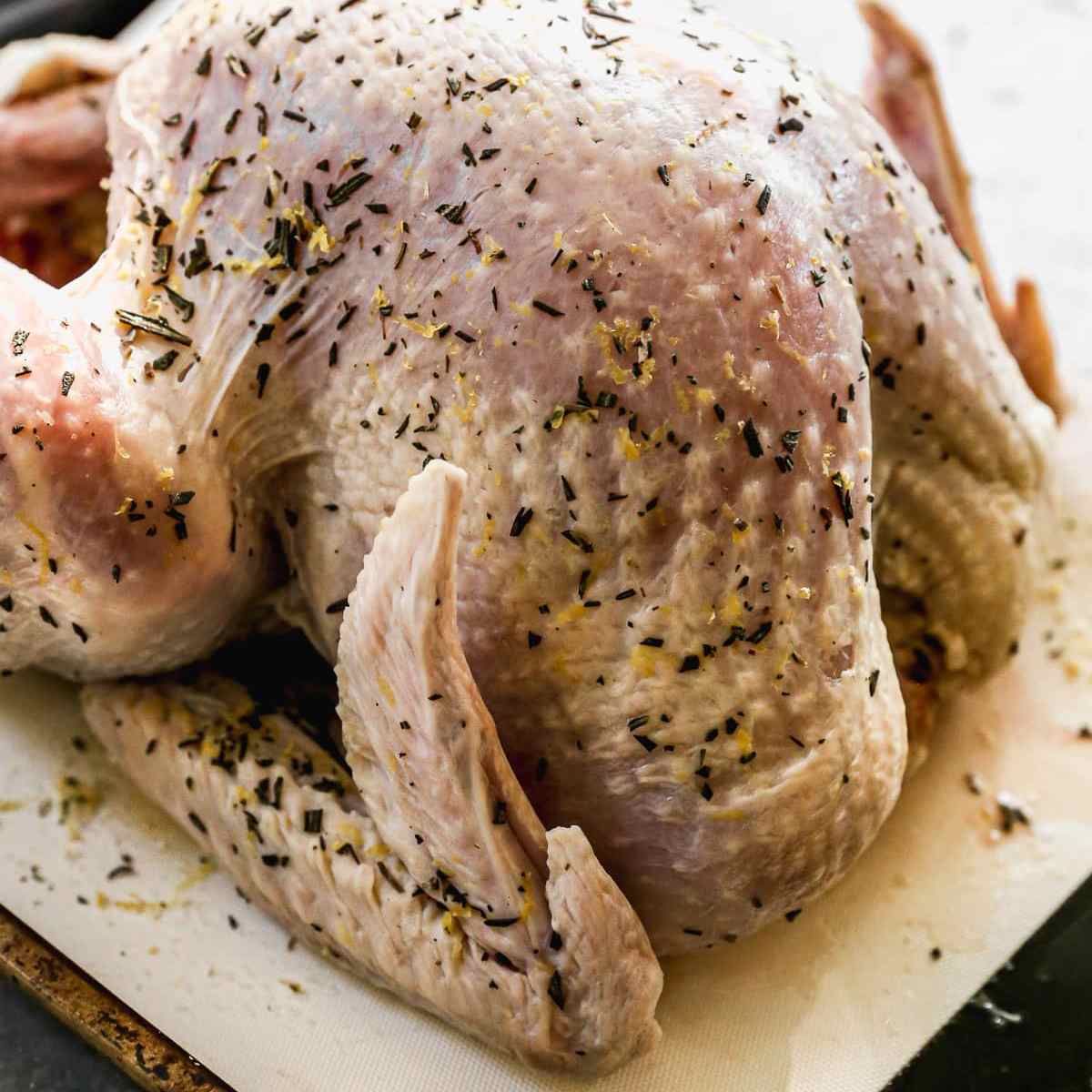
**2. Dry Brine:
- How It Works: Dry brining involves rubbing the turkey with a mixture of salt and other seasonings directly onto the meat’s surface. The turkey is then refrigerated for an extended period, allowing the salt to penetrate the meat and work its magic.
- Advantages:
- Convenience: Dry brining is less messy than wet brining, requiring no large containers or gallons of liquid.
- Crispier Skin: The dry brine helps to dry out the skin, promoting crispiness during roasting.
- Intense Flavor: Concentrated flavors due to the direct contact of the salt mixture with the meat.
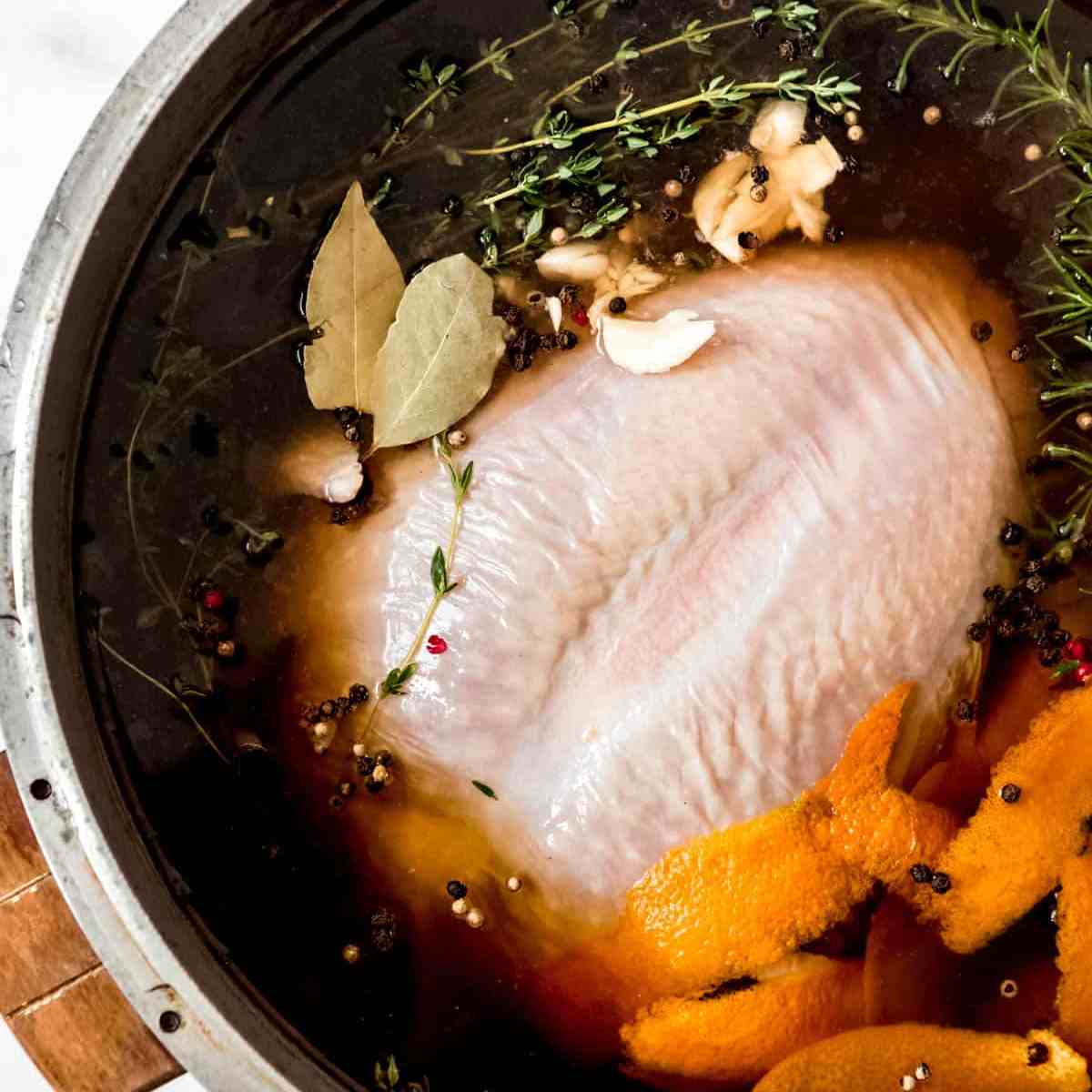
**3. Wet Brine:
- How It Works: Wet brining involves submerging the turkey in a liquid solution of water, salt, sugar, and various aromatics. The turkey soaks in the brine, absorbing moisture and flavors.
- Advantages:
- Uniform Seasoning: The turkey is fully submerged, ensuring even seasoning throughout the meat.
- Moisture Retention: Wet brining is excellent for keeping the turkey moist during cooking.
- Versatility: Additional flavors like herbs, spices, and citrus can easily be incorporated into the brine.
**4. Choosing the Right Method:
- Consider Your Space: If fridge space is limited, a dry brine in a sealed bag is more space-efficient than a large container for wet brining.
- Time Factor: Dry brining often requires less time compared to wet brining. If you’re short on time, a dry brine might be the way to go.
- Texture Preferences: If you prefer a crispier skin and intensified flavors, opt for a dry brine. For a juicier, more uniformly seasoned turkey, wet brining might be your choice.
**5. Conclusion: Both dry and wet brining can elevate your Thanksgiving turkey, so the choice ultimately comes down to personal preference, convenience, and available time. Experiment with both methods to discover which yields the perfect turkey for your Thanksgiving feast.



 Backyard Tailgating
Leave a comment